
Fake Retail Networks: How to Spot and Avoid Online Shopping Scams

Author: Adam Collins
Inside the Web of Lies: The Rise of Fake Retail Networks
Online shopping should make life easier—scroll, click, pay, delivered. But 2025 has seen a dangerous twist: fake retail networks. One recently uncovered network was running 71 different scam websites, all pretending to be legit online stores. These sites used every trick in the scammer playbook—typosquatting, compromised merchant accounts, and fake ads—to lure shoppers into handing over money for goods that never arrive or that turn out to be cheap counterfeits. This is not a one-off. In fact, it's part of a much bigger scam economy fueled by digital fraud.
Understanding Modern Online Shopping Scams
BogusBazaar: A Scam Empire in Disguise
In 2022–2023, investigators exposed BogusBazaar, a Chinese-run fake retail network that launched more than 75,000 scam e-commerce sites. These sites impersonated global brands, scaled up using automation, and left millions in losses with hundreds of thousands of victims—particularly in Europe and the U.S. BogusBazaar showed just how industrialized scam shopping has become.
Darcula: Phishing-as-a-Service
On the phishing side, there’s Darcula, a Chinese-language platform that sells phishing tools like Netflix sells subscriptions. It offers over 20,000 counterfeit domains and more than 200 phishing templates to copy brand websites, then spreads them through email, SMS, RCS, and iMessage. Between 2023–2024, Darcula helped steal 884,000 credit card details from victims in more than 100 countries.
These aren’t lone wolf scammers anymore—they’re well-oiled crime networks with the scale and organization of real corporations.
The Selon Company Scam Network
On paper, Selon Company Limited looks legitimate. It’s a UK-registered business listed under “Retail sale via mail-order houses or via Internet” with its address at Epworth House, 25 City Road, London, EC1Y 1AA. To a shopper, that sounds reassuring—after all, it’s an officially registered company.
But here’s the twist: dozens of scam websites claim to be owned by Selon Company Limited. Sites like Greenplantsed.com, Mowaven.com, Viporama.com, Obsides.com, and Uniwiinc.com all use the same formula—similar layouts, recycled content, and the same ownership claim.
This raises two possibilities: either Selon Company Limited is directly running a scam retail network, or its identity is being hijacked by fraudsters to make their fake shops look more convincing. In both cases, the effect is the same—shoppers are misled into trusting a business that isn’t what it seems.
The Uniqueness Scam Network
The easiest way to spot a site run by the Uniqueness Scam Network is to check the About Us page. Almost all of them contain the same oddly phrased text—or a slight variation of it:
“At [website name] we love every passion and interest on Earth because it is a reference to your UNIQUENESS. And to create a perfect consumption experience for you is our core vision: To help you Express Yourself. To support you at [website name].”
That recycled wording has become a calling card for the Uniqueness network.
Behind the scenes, the operation is much bigger than just sloppy website copy. Several shell companies appear to have been created under the Uniqueness umbrella to process payments. Victims in the USA, UK, Europe, and Australia make purchases thinking they’re buying from a real retailer, but the money is funneled overseas—most often back to China.
To make the scheme harder to trace, these shell companies are registered in multiple jurisdictions, including the UK, Ireland, Cyprus, France, and Hong Kong. The end result? A web of fake businesses and cloned websites designed to trick shoppers worldwide.
How Scammers Create Fake Shopping Sites
Fake retail networks use a mix of technology and human psychology to deceive you. Here are their most common methods:
- Typosquatting: This involves creating a website address that is a common misspelling of a legitimate brand, such as adidassale[.]com instead of adidas.com. This is an easy mistake to make, especially when scrolling quickly.
- Compromised Merchant Accounts: Many sites in these networks share the same shady payment systems. These are often hacked or stolen merchant accounts, allowing the scammer to collect your money without raising immediate red flags with payment processors.
- Fake Ads: Scammers buy professional-looking ads that make their fake sites show up right in your feed or at the top of Google search results. While many platforms have caught on and removed these, many still slip through the cracks.
- Copy-and-Paste Content: Check the “About Us” or product description pages. If the content feels too generic or if you find the exact same wording on multiple different websites, it’s a strong sign that the site is part of a larger scam network.
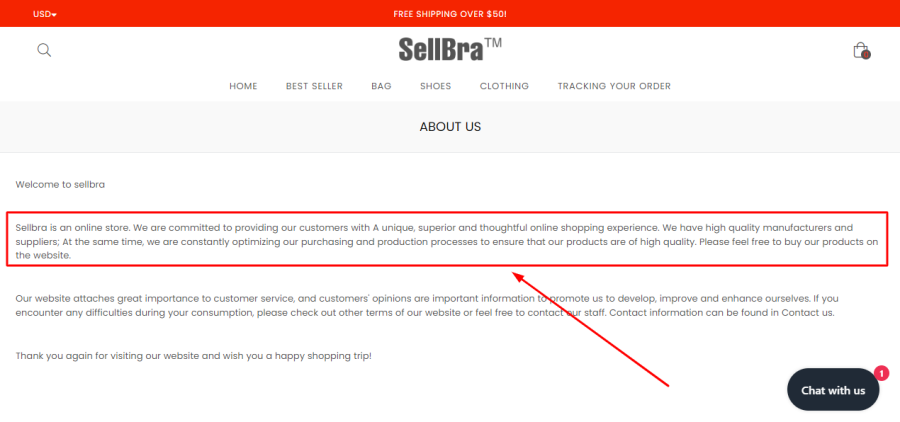
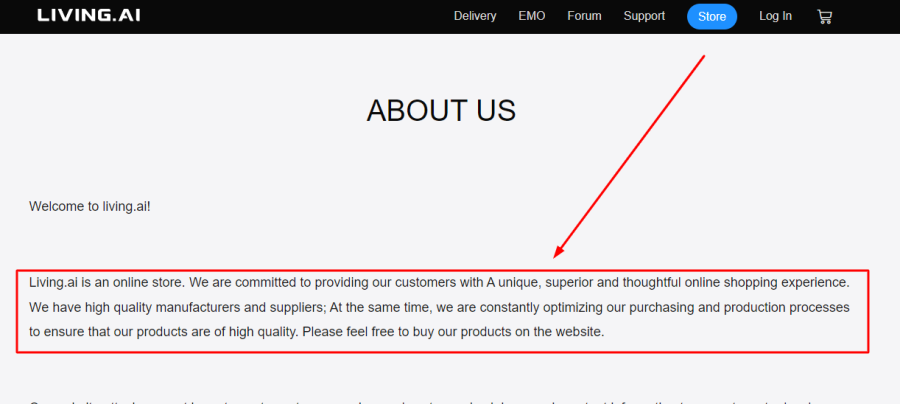
Example: Our article on is Sellbra.com Safe
- The “Front” Company: Sometimes scammers even set up a legitimate-looking business registered in a real government database. It's a smokescreen; the real operators stay hidden, making it harder to track them.
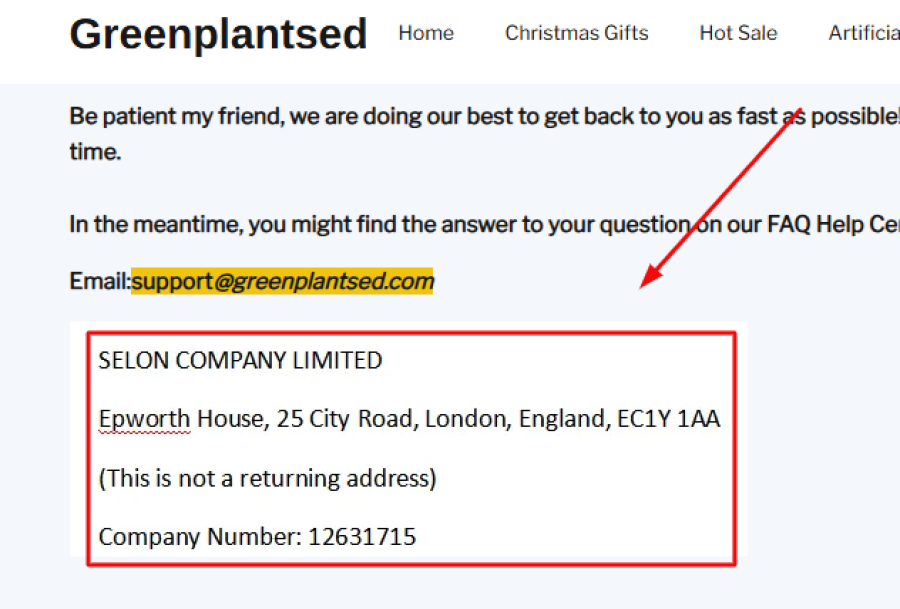
Example: Greenplantsed.com Review
7 Tips to Avoid Fake Shopping Websites
Stay one step ahead of scammers with these practical tips to keep your personal information and finances safe.
- Check the URL Twice: A single extra letter, a different domain ending, or a hyphen can mean you're on a scam site. Always type the official site directly into your browser instead of clicking ads.
- Research the Seller: Look for independent reviews on sites like Trustpilot, not just testimonials on the site itself. If you can’t find any reliable history, that’s a warning sign.
- Use Safe Payment Methods: Stick to credit cards or PayPal. Both offer robust chargeback protections, which allow you to dispute a charge and get your money back if a product isn't delivered or is a counterfeit. Never use bank transfers, gift cards, or cryptocurrency.
- Verify Their Contact Info: Legitimate businesses will have a physical address, a working phone number, or a responsive customer service email. If all you can find is a generic contact form, be suspicious.
- Be Skeptical of Deals: If a deal looks too good to be true, it probably is. Scammers rely on a sense of urgency and greed to get you to act quickly without thinking.
- Check Social Media: Does the brand have a professional social media presence with a history of posts and real engagement? A new or inactive page is a red flag.
- Review the Return Policy: A clear and easy-to-find return or refund policy is a sign of a legitimate business. Vague or nonexistent policies should be a major warning sign.
The Future of Online Shopping Safety
Scammers are no longer just building one-off fake shops; they’re running whole shopping empires powered by stolen technology, sophisticated ads, and automation. The result? Thousands of sites that look real but are designed to steal your money, your data, or both. The best defense is staying sharp: pause before you pay, double-check before you click, and verify before you trust. Fake retail networks thrive on our split-second decisions. Don’t give them the chance.
What to Do If You've Been Scammed:
If you have already fallen victim to a scam, don’t panic. Immediately contact your bank or credit card company to report the fraudulent charges. You can also file a report with consumer protection agencies to help investigators track and shut down these criminal networks.
To proactively protect yourself, you can download the ScamAdviser App on Android or iOS to automatically check any website before you buy.
Report a Scam!

Have you fallen for a hoax, bought a fake product? Report the site and warn others!
Scam Categories
Help & Info
Top Safety Picks
Your Go-To Tools for Online Safety
- ScamAdviser App - iOS : Your personal scam detector, on the go! Check website safety, report scams, and get instant alerts. Available on iOS
- ScamAdviser App - Android : Your personal scam detector, on the go! Check website safety, report scams, and get instant alerts. Available on Android.
- NordVPN : NordVPN keeps your connection private and secure whether you are at home, traveling, or streaming from another country. It protects your data, blocks unwanted ads and trackers, and helps you access your paid subscriptions anywhere. Try it Today!
Popular Stories
As the influence of the internet rises, so does the prevalence of online scams. There are fraudsters making all kinds of claims to trap victims online - from fake investment opportunities to online stores - and the internet allows them to operate from any part of the world with anonymity. The ability to spot online scams is an important skill to have as the virtual world is increasingly becoming a part of every facet of our lives. The below tips will help you identify the signs which can indicate that a website could be a scam. Common Sense: Too Good To Be True When looking for goods online, a great deal can be very enticing. A Gucci bag or a new iPhone for half the price? Who wouldn’t want to grab such a deal? Scammers know this too and try to take advantage of the fact. If an online deal looks too good to be true, think twice and double-check things. The easiest way to do this is to simply check out the same product at competing websites (that you trust). If the difference in prices is huge, it might be better to double-check the rest of the website. Check Out the Social Media Links Social media is a core part of ecommerce businesses these days and consumers often expect online shops to have a social media presence. Scammers know this and often insert logos of social media sites on their websites. Scratching beneath the surface often reveals this fu
Disclaimer: This article was originally published in 2018 and has been updated in October 2025 to reflect more current information, resources, and advice. Scams and recovery options continue to evolve, so always double-check with your bank, payment provider, or local consumer protection authority for the latest guidance. So the worst has come to pass - you realise you parted with your money too fast, and the site you used was a scam - what now? Well first of all, don’t despair!! If you think you have been scammed, the first port of call when having an issue is to simply ask for a refund. This is the first and easiest step to determine whether you are dealing with a genuine company or scammers. Sadly, getting your money back from a scammer is not as simple as just asking. If you are indeed dealing with scammers, the procedure (and chance) of getting your money back varies depending on the payment method you used. PayPal Debit card/Credit card Bank transfer Wire transfer Google Pay Bitcoin PayPal Good news: PayPal gives you strong protection. You can file a dispute within 180 days of your purchase. You can get a refund if: Your order never arrives, and the seller cannot provide proof of delivery. The scammer sends you something completely different (e.g., a controller instead of a PlayStation). The product condition was misrepresented (sold as new but arrives used). The item is missing undisclosed parts. The item is counterfeit. Start your claim directly through Pay