
Mlvchocolate.com Review – Is This Chocolate Brand Legit or a Scam?
Author: Adam cOllins
The Sweet Promise
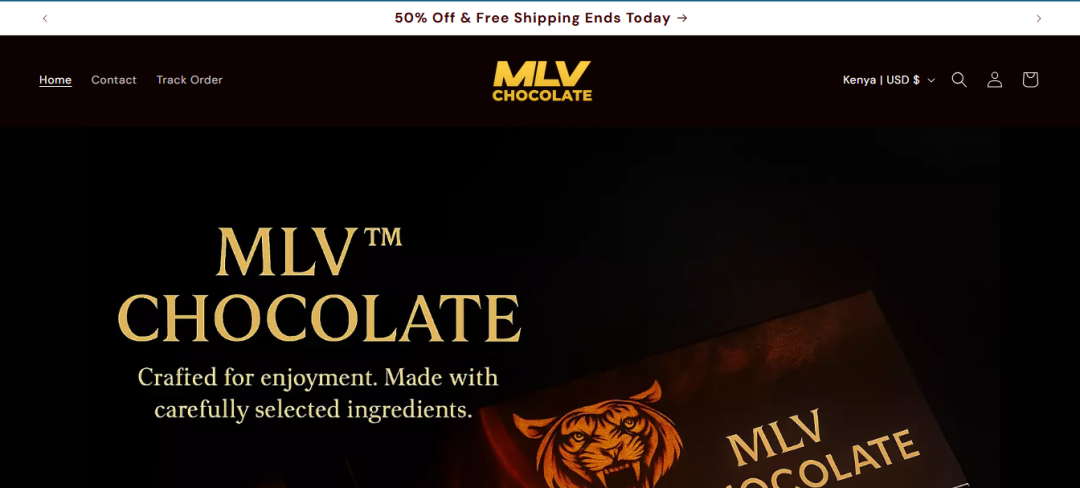
“Every piece of MLV™ Chocolate is designed to energize your body and mind naturally.” Sounds tempting, right? A luxury chocolate that claims to give you an energy boost and mental focus — who wouldn’t want that?
But when something looks too sweet to be true, it usually deserves a second glance.
In a nutshell, Mlvchocolate.com claims to sell “energizing chocolate” that boosts your body and mind, but there are several red flags—from unverifiable reviews to suspicious company ownership. Before grabbing that “50% off today” deal, it’s worth taking a closer look.
Let’s unwrap Mlvchocolate.com and see what’s really inside this glossy packaging.
Huge Discounts, Huge Red Flag?
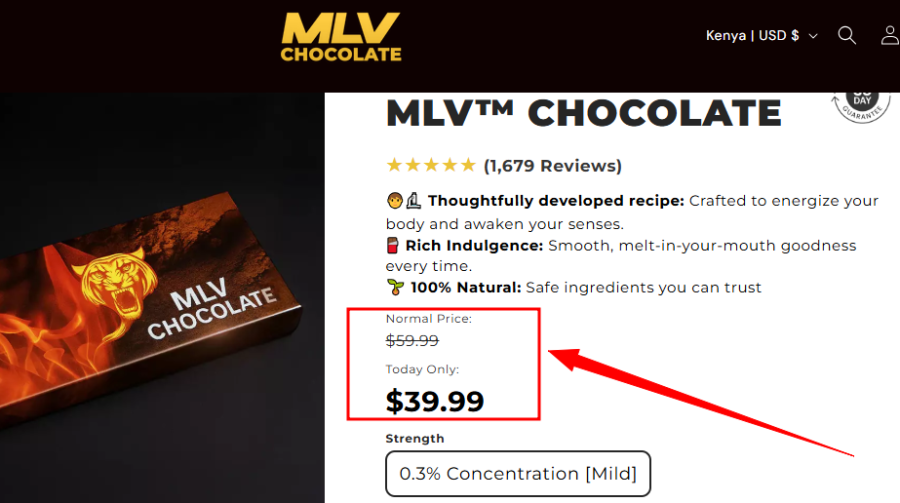
At first glance, the website feels convincing — clean design, tempting offers, and premium-sounding branding. Yet, it’s hard to ignore the constant sales banners:
“50% off today!”
“Sign up for 10% off your first purchase!”
Big, flashy discounts are a common trick used by questionable online stores to rush buyers into making quick decisions. Real premium chocolate brands rarely slash prices this drastically.
Who Owns Mlvchocolate.com?
The site claims to be owned by Onyx Growth Limited, a UK-registered company. Sounds official, but here’s where it gets murky.
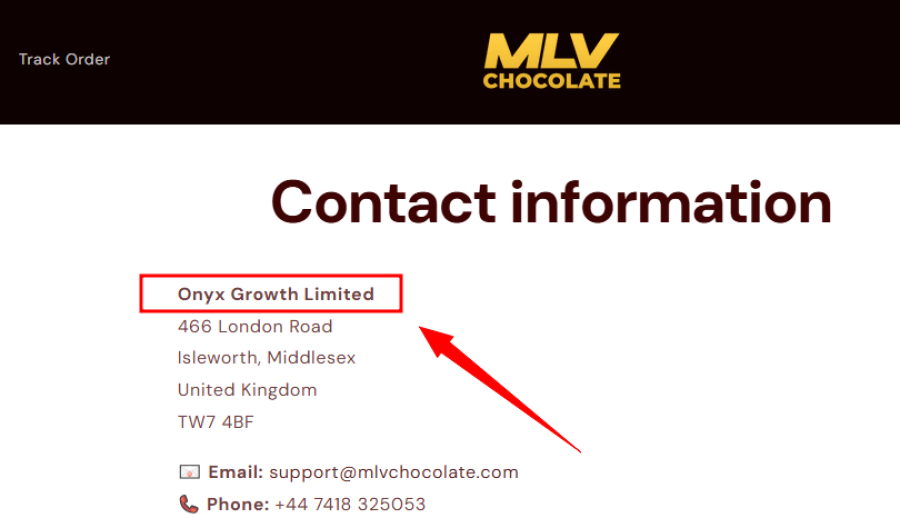
There’s little evidence that Onyx Growth Limited actually runs or manages Mlvchocolate.com. Instead, it looks more like a shell company — a common tactic shady websites use to appear legitimate while hiding the real owners behind layers of paperwork.
The Curious Customer Reviews
On the Mlvchocolate.com website, the brand boasts a 4.8/5 rating and plenty of glowing reviews. Shoppers gush about the chocolate’s taste and “natural energy.”

But step outside their website, and… silence. There are barely any independent reviews on trusted platforms or social media. Without third-party confirmation, it’s impossible to tell if those reviews are genuine or just part of the marketing mix.
Bottom Line: Is Mlvchocolate.com a Scam?
Here’s what we found, in a nutshell:
- Questionable ownership: Onyx Growth Limited may be a shell company unrelated to the chocolate business.
- Too-good-to-be-true deals: Deep discounts and urgency tactics are red flags.
- Unverifiable reviews: Positive feedback is limited to their own site.
- Lack of transparency: No clear company background or verified contact info.
Overall, we have doubts about Mlvchocolate.com’s legitimacy. The brand’s marketing feels polished, but there’s not enough transparency to back up its claims.
How to Stay Protected From Online Shopping Scams
Before you bite into tempting online offers, always double-check a website’s trust score.
Install the ScamAdviser App to instantly check if a site is safe before you shop. It’s the easiest way to avoid getting tricked by sweet-talking scammers.
FAQs
1. What does Mlvchocolate.com sell?
They sell “energy-boosting” chocolate products they claim help to improve focus and vitality.
2. Is Mlvchocolate.com owned by a real company?
The site claims to be owned by Onyx Growth Limited, a UK-based firm, but there’s little evidence linking the company directly to the website.
3. Are the customer reviews on Mlvchocolate.com real?
Most reviews appear only on their own site, which makes it hard to verify their authenticity.
4. Why are their discounts so large?
Offering 50% off or more is a common pressure tactic used by suspicious websites to push quick purchases.
5. Should I buy from Mlvchocolate.com?
Given the lack of transparency and verifiable reviews, it’s best to proceed with caution—or avoid buying altogether until more trustworthy information emerges.
6. How can I check if a website is safe?
Use the ScamAdviser App to instantly scan any website’s trust score and avoid online scams before you buy.
This article was written by a ScamAdviser volunteer. If you believe any details here are inaccurate or outdated, please contact ScamAdviser.com using this form.

Report a Scam!

Have you fallen for a hoax, bought a fake product? Report the site and warn others!
Scam Categories
Help & Info
Top Safety Picks
Your Go-To Tools for Online Safety
- ScamAdviser App - iOS : Your personal scam detector, on the go! Check website safety, report scams, and get instant alerts. Available on iOS
- ScamAdviser App - Android : Your personal scam detector, on the go! Check website safety, report scams, and get instant alerts. Available on Android.
- NordVPN : NordVPN keeps your connection private and secure whether you are at home, traveling, or streaming from another country. It protects your data, blocks unwanted ads and trackers, and helps you access your paid subscriptions anywhere. Try it Today!
Popular Stories
As the influence of the internet rises, so does the prevalence of online scams. There are fraudsters making all kinds of claims to trap victims online - from fake investment opportunities to online stores - and the internet allows them to operate from any part of the world with anonymity. The ability to spot online scams is an important skill to have as the virtual world is increasingly becoming a part of every facet of our lives. The below tips will help you identify the signs which can indicate that a website could be a scam. Common Sense: Too Good To Be True When looking for goods online, a great deal can be very enticing. A Gucci bag or a new iPhone for half the price? Who wouldn’t want to grab such a deal? Scammers know this too and try to take advantage of the fact. If an online deal looks too good to be true, think twice and double-check things. The easiest way to do this is to simply check out the same product at competing websites (that you trust). If the difference in prices is huge, it might be better to double-check the rest of the website. Check Out the Social Media Links Social media is a core part of ecommerce businesses these days and consumers often expect online shops to have a social media presence. Scammers know this and often insert logos of social media sites on their websites. Scratching beneath the surface often reveals this fu
Disclaimer: This article was originally published in 2018 and has been updated in October 2025 to reflect more current information, resources, and advice. Scams and recovery options continue to evolve, so always double-check with your bank, payment provider, or local consumer protection authority for the latest guidance. So the worst has come to pass - you realise you parted with your money too fast, and the site you used was a scam - what now? Well first of all, don’t despair!! If you think you have been scammed, the first port of call when having an issue is to simply ask for a refund. This is the first and easiest step to determine whether you are dealing with a genuine company or scammers. Sadly, getting your money back from a scammer is not as simple as just asking. If you are indeed dealing with scammers, the procedure (and chance) of getting your money back varies depending on the payment method you used. PayPal Debit card/Credit card Bank transfer Wire transfer Google Pay Bitcoin PayPal Good news: PayPal gives you strong protection. You can file a dispute within 180 days of your purchase. You can get a refund if: Your order never arrives, and the seller cannot provide proof of delivery. The scammer sends you something completely different (e.g., a controller instead of a PlayStation). The product condition was misrepresented (sold as new but arrives used). The item is missing undisclosed parts. The item is counterfeit. Start your claim directly through Pay