
Top Scams Making Headlines: Fake Rentals, Crypto Fraud, and Tractor Cons

Author: Adam Collins
What you’ll learn in this article:
- Fake apartment ads on social media are tricking renters into paying upfront fees.
- Sophisticated crypto scams are stealing millions with phishing and impersonation.
- Farmers and buyers are falling victim to fake websites selling tractors and machinery.
- Scams can happen to anyone—protect yourself with tools like the ScamAdviser app and official resources like the Federal Trade Commission.
What’s going on with fake apartment rental ads?
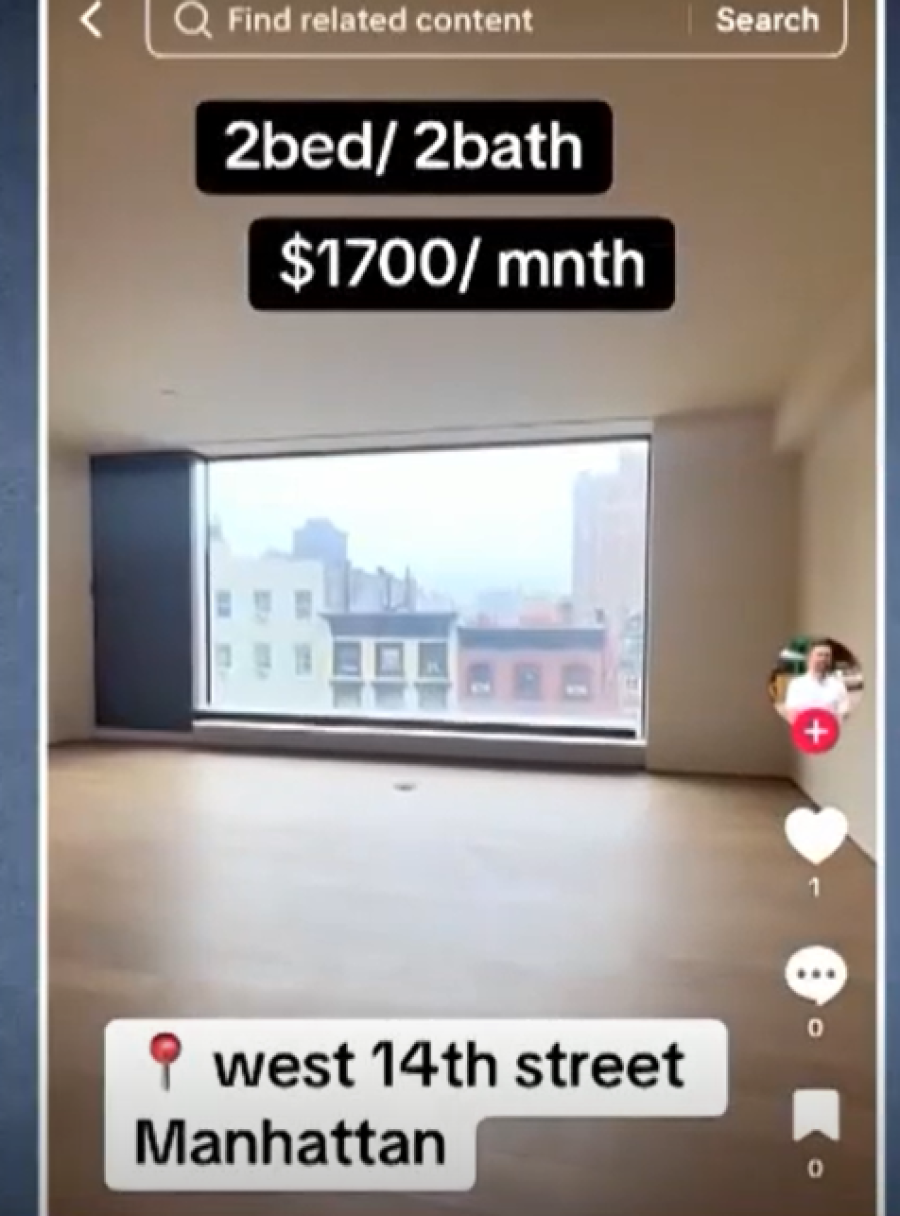
Scammers are flooding social media with apartment listings that look almost too good to be true—because they are. These ads often include slick videos and gorgeous images, but here’s the catch: the apartments don’t exist.
How the scam works:
- You spot a trendy apartment on Instagram, TikTok, or Facebook.
- The price is way below market, so you get excited.
- The “landlord” asks you to pay upfront fees such as application, deposit, or first month’s rent.
- Once you pay, the scammer disappears and you never see the apartment.
How to avoid it:
- Always see the apartment in person before paying.
- Search the images online to check if they’re stolen from another listing.
- Verify the property with a trusted realtor or landlord.
- Use reliable scam-checking tools like ScamAdviser.
How are scammers pulling off crypto fraud?
In one recent case, a victim in Wales lost £2.1 million in bitcoin after being duped into entering their password on a fake website. The scammers didn’t stop there—they pretended to be senior U.K. police officers and convinced the victim they were helping with a security issue.
Why this scam is so dangerous:
- It is highly targeted, often using personal data from real breaches.
- Scammers impersonate trusted authorities such as police, bank officials, or government officers.
- Once your crypto is transferred, recovery is almost impossible.
Red flag phrases scammers often use:
- “Your account has been compromised.”
- “We detected unusual activity—act now.”
- “Transfer your funds to a secure wallet immediately.”
- “I’m calling from law enforcement, and this is urgent.”
- “Failure to respond could result in account suspension.”
How to protect yourself From Crypto Scams:
Never enter your credentials on a site you reached through an email or message.
- Double-check URLs—fake sites often look nearly identical to real ones.
- Use two-factor authentication on all your accounts.
- Learn more about data security from trusted sources like Stanford University’s Cybersecurity Center.
What’s the deal with tractor scams?
It’s not just city renters and crypto investors being targeted—farmers are too. A 61-year-old farmer in Essex thought he was buying a John Deere 6430 tractor online. The website looked legitimate, complete with dealership branding and listings. He wired nearly £30,000, only to later find out the site was a perfect clone of a real French dealership.
Signs it was a scam:
- The website had real-looking stock listings but no real inventory.
- Payment was requested upfront, with little buyer protection.
- A friend traveling to pick up the tractor discovered the dealership had never heard of the sale.
Lessons learned:
- Always verify the dealership directly before wiring large sums.
- Be wary of sites that look polished but have no verifiable history.
- If possible, use escrow or secure payment systems.
Bottom Line: Scams Come for Us All
Whether you’re house-hunting, investing in crypto, or shopping for farming equipment, scammers are lurking. They thrive on urgency, fake authority, and tempting deals.
Protect yourself by staying skeptical of deals that feel “too good,” using tools like ScamAdviser to check a site’s trustworthiness, and relying on official guidance from trusted resources like the FTC.
Download the ScamAdviser app today and get scam alerts before scammers get you.
Frequently Asked Questions
What are fake apartment rental scams?
Fake apartment scams appear on social media with attractive listings and videos. Victims are asked to pay upfront fees for deposits or applications, but the apartments don’t exist.
How do cryptocurrency scams work?
Crypto scams often involve phishing websites and impersonation. Victims are tricked into entering credentials or sending crypto to scammers, who may pose as police or bank officials.
What is a tractor buying scam?
Scammers clone legitimate farm equipment dealerships online, post fake tractor listings, and request upfront payments. Victims only realize it’s a scam when the dealership denies any record of the sale.
How can I protect myself from these scams?
Verify listings, double-check websites, avoid upfront payments to strangers, and use tools like ScamAdviser. For government-backed resources, check the FTC’s scam prevention page.
Report a Scam!

Have you fallen for a hoax, bought a fake product? Report the site and warn others!
Scam Categories
Help & Info
Top Safety Picks
Your Go-To Tools for Online Safety
- ScamAdviser App - iOS : Your personal scam detector, on the go! Check website safety, report scams, and get instant alerts. Available on iOS
- ScamAdviser App - Android : Your personal scam detector, on the go! Check website safety, report scams, and get instant alerts. Available on Android.
- NordVPN : NordVPN keeps your connection private and secure whether you are at home, traveling, or streaming from another country. It protects your data, blocks unwanted ads and trackers, and helps you access your paid subscriptions anywhere. Try it Today!
Popular Stories
As the influence of the internet rises, so does the prevalence of online scams. There are fraudsters making all kinds of claims to trap victims online - from fake investment opportunities to online stores - and the internet allows them to operate from any part of the world with anonymity. The ability to spot online scams is an important skill to have as the virtual world is increasingly becoming a part of every facet of our lives. The below tips will help you identify the signs which can indicate that a website could be a scam. Common Sense: Too Good To Be True When looking for goods online, a great deal can be very enticing. A Gucci bag or a new iPhone for half the price? Who wouldn’t want to grab such a deal? Scammers know this too and try to take advantage of the fact. If an online deal looks too good to be true, think twice and double-check things. The easiest way to do this is to simply check out the same product at competing websites (that you trust). If the difference in prices is huge, it might be better to double-check the rest of the website. Check Out the Social Media Links Social media is a core part of ecommerce businesses these days and consumers often expect online shops to have a social media presence. Scammers know this and often insert logos of social media sites on their websites. Scratching beneath the surface often reveals this fu
Disclaimer: This article was originally published in 2018 and has been updated in October 2025 to reflect more current information, resources, and advice. Scams and recovery options continue to evolve, so always double-check with your bank, payment provider, or local consumer protection authority for the latest guidance. So the worst has come to pass - you realise you parted with your money too fast, and the site you used was a scam - what now? Well first of all, don’t despair!! If you think you have been scammed, the first port of call when having an issue is to simply ask for a refund. This is the first and easiest step to determine whether you are dealing with a genuine company or scammers. Sadly, getting your money back from a scammer is not as simple as just asking. If you are indeed dealing with scammers, the procedure (and chance) of getting your money back varies depending on the payment method you used. PayPal Debit card/Credit card Bank transfer Wire transfer Google Pay Bitcoin PayPal Good news: PayPal gives you strong protection. You can file a dispute within 180 days of your purchase. You can get a refund if: Your order never arrives, and the seller cannot provide proof of delivery. The scammer sends you something completely different (e.g., a controller instead of a PlayStation). The product condition was misrepresented (sold as new but arrives used). The item is missing undisclosed parts. The item is counterfeit. Start your claim directly through Pay