
12 Legit Sites for Online Fashion Shopping in 2026

Author: Adam Collins
The digital era is evolving, and by 2026, e-commerce sales are projected to reach $7.41 trillion globally, with fashion remaining a dominant category. As online shopping becomes more integrated with AI and virtual reality, the stakes are higher for both convenience and fraud protection.
In a Nutshell:
- Online fashion scams in 2026 are smarter, AI-driven, and harder to detect
- Always verify any shopping site with ScamAdviser before you buy
- Never reuse passwords and always enable 2FA
- Avoid shopping through social media ads unless you verify the URL
- Stick to reputable retailers with transparent policies
- Use secure payment methods only (no crypto, wire transfers, or gift cards)
| Platform | Primary Focus | Check TrustScore on ScamAdviser |
| Nike | Sportswear, DTC, Web3 (RTFKT/Swoosh) | Nike.com |
| Shein | Ultra-Fast Fashion, Gen Z E-commerce | Shein.com |
| Zara | Fast Fashion, Tech-driven Agility, Quality Shift | Zara.com |
| H&M | Mass-Market Apparel, Sustainability/Circularity | HM.com |
| Macy's | US Department Store, Omni-channel Integration | Macys.com |
| Puma | Sportswear, Web3/NFTs, Digital Exploration | Puma.com |
| Under Armour | Performance Apparel, E-commerce Enhancement | Underarmour.com |
| ASOS | Young Adult Marketplace, Global Shipping | ASOS.com |
| Uniqlo | Quality Casual Wear, Functional Staples | Uniqlo.com |
| Gap | US Specialty Retail, AI/Google Cloud Partnership | Gap.com |
| Trendyol | Regional E-commerce Dominance (Turkey/MENA) | Trendyol.com |
| Myntra | Indian Fashion E-commerce Market Leader | Myntra.com |
(This list highlights the best options, not in ranked order)
This guide provides an updated list of 12 reliable fashion retailers and, critically, arms you with advanced, 2026-ready security tips to navigate sophisticated scams.
What Online Fashion Really Looks Like in 2026
Online fashion is a rapidly evolving segment of e-commerce where apparel, accessories, and footwear are purchased through digital channels. In 2026, this includes not just traditional websites, but also virtual fitting rooms, shoppable live streams, and digital apparel (projected to hit $7.8 billion in market size by 2030).
While this shift offers features like Augmented Reality (AR) try-ons and AI-powered personalization, it also introduces new risks, as scammers leverage AI for more convincing impersonations.
Modern Risks of Buying Clothes Online
While size inconsistencies are being addressed by 3D scanning and Virtual Fitting Rooms (VFRs), the focus has shifted to fraud:
- AI-Powered Impersonation: Sophisticated deepfake and AI-driven social engineering schemes are making brand impersonation scams harder to spot.
- Account Takeover (ATO): Fraudsters use stolen login information to make purchases, often targeting accounts secured only by simple passwords.
- Digital Product Fraud: Scams involving NFTs and purely digital fashion items are emerging in the metaverse and gaming spaces.
- First-Party Misuse: Known as "friendly fraud," this involves customers abusing return policies or falsely claiming a product never arrived.
How to Avoid Online Fashion Scams and Fraud in 2026
To safeguard your identity and funds in the age of intelligent commerce, your security practices must be updated.
1. Adopt Next-Generation Security Measures
- Use Unique Passwords: Use a password manager to create and store strong, unique passwords for every shopping site. Never reuse passwords.
- Enable 2FA/MFA: Always use Two-Factor or Multi-Factor Authentication (2FA/MFA) on your accounts. This prevents thieves from logging in even if they have your password.
- Use Virtual Cards: Use Virtual Credit Cards or digital wallets (like Apple Pay or PayPal) where possible. These mask your primary card number, adding a layer of defense against Credit Card Fraud.
2. Verify and Investigate the Source
- Scrutinize URLs and Ads: Be extremely cautious of low prices seen in social media ads or via email. Double-check the URL for subtle misspellings before clicking or checking out.
- Check Policies: Verify clear money-back guarantees, return and exchange policies. Reputable sites integrate smart returns logistics to simplify this process.
- Use Verification Tools: Utilize external tools like ScamAdviser to check a site's reliability.
3. Payment and Connectivity Rules
- Avoid Irreversible Payments: Never pay using gift cards, cryptocurrency, or wire transfers. These payments are impossible to recover after a scam.
- Secure Connection: Do not shop on public Wi-Fi networks. Use a VPN, like NordVPN, or a secured mobile hotspot to protect your data during the transaction process.
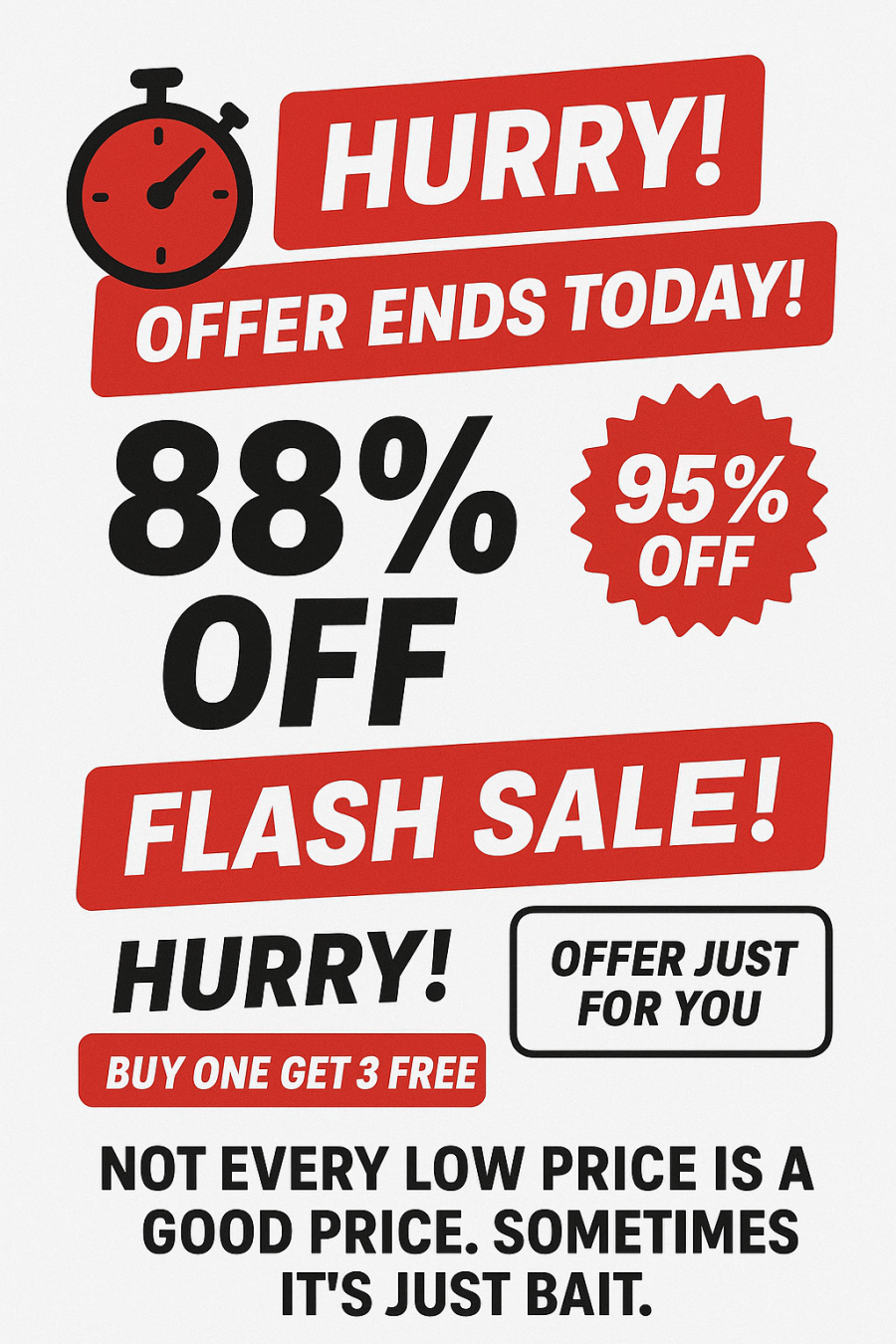
Not every discount is a deal
12 Legit Online Fashion Shopping Sites (2026)
The following retailers are leaders in traffic and are constantly investing in technology like AI-driven personalization and advanced logistics to maintain trust and legitimacy.
1. Nike
Nike, Inc. is the undisputed leader in sportswear. Its relevance to 2026 is its aggressive Direct-to-Consumer (DTC) strategy and its leadership in digital collectibles, thanks to the acquisition of RTFKT, defining the digital sneaker market.
2. Shein
Shein is the king of ultra-fast fashion, using powerful AI-driven logistics to quickly test and produce trends. Its massive scale and domination of Gen Z commerce make it a crucial, if controversial, market force.
3. Zara
Zara SA is shifting its focus toward higher quality and advanced inventory tracking to maintain its position. The company is known for its agility and ability to quickly replicate high-fashion runway trends for the mass market.
4. H&M
H&M leverages its global scale while making significant investments in sustainability and circularity, offering resale and rental services to appeal to the environmentally conscious consumer.
5. Macy's
Macy's is actively executing its "Bold New Chapter" strategy, heavily investing in supply chain automation and AI to integrate its massive physical store network with its digital marketplace. It is a critical component of the US retail landscape.
6. Puma
Puma is a major player in the athletic and lifestyle market. It has been a pioneer in the Web3 space, leveraging NFTs not just for collectibles but for innovative applications like virtual product testing.
7. Under Armour
Under Armour, Inc. focuses on high-performance athletic apparel. The company is actively enhancing its digital and e-commerce platform, including same-day delivery and improved mobile experiences, to solidify its place in the US sportswear market.
8. ASOS
ASOS plc is a global marketplace for fashion aimed at young adults. It sells over 850 brands, offering a massive selection and shipping to numerous countries from its core fulfillment centers.
9. Uniqlo
Uniqlo Co., Ltd. is known for its LifeWear philosophy: high-quality, functional, and technological casual wear. Its steady global expansion and focus on wardrobe staples distinguish it from fast-fashion rivals.
10. Gap
The Gap, Inc. is an American specialty retailer with global reach. It recently announced a major multi-year partnership with Google Cloud to accelerate its AI and personalization strategy, aiming to reinvent its retail approach across its core brands.
11. Trendyol
Trendyol.com is the leading e-commerce platform in Turkey and a significant force in the wider Middle East/North Africa (MENA) region, demonstrating strong regional e-commerce dominance.
12. Myntra
Myntra is a major Indian fashion e-commerce company. As part of the Flipkart group, it leads the highly competitive and rapidly growing online fashion market in India.
Bottom Line: Fashion Without Fraud
In 2026, the online fashion landscape is defined by speed, intelligence, and integration. While the technology makes shopping easier, the risks are more insidious. By pairing your purchases with strong security habits (using password managers and 2FA) and choosing reputable, transparent retailers, you can confidently embrace the future of fashion e-commerce.
FAQs
How do I quickly check if a fashion site is safe?
Search the domain on ScamAdviser to view its trust score, reviews, and technical details.
Why are social media ads risky?
Many scam sites rely on social ads to reach buyers fast. Always verify before buying.
Is it safe to buy digital fashion items or NFTs?
Only from verified platforms. Digital fashion scams are increasing sharply.
Why do scammers use AI now?
AI makes fake sites, emails, and chats look extremely convincing, making old red flags harder to spot.
How do I avoid account takeover?
Use a password manager, unique passwords, and 2FA everywhere.
What is the safest payment method for online shopping?
Credit cards or virtual cards from trusted providers.
Does site age matter when shopping online?
Yes. Scam sites often appear and disappear within months. Check domain age on Whois Lookup and ScamAdviser.
Stay Safe Every Time You Shop
Get instant trust scores and scam alerts directly on your phone.
Install the ScamAdviser App today and protect yourself before you click “Buy Now.”

Report a Scam!

Have you fallen for a hoax, bought a fake product? Report the site and warn others!
Scam Categories
Help & Info
Top Safety Picks
Your Go-To Tools for Online Safety
- ScamAdviser App - iOS : Your personal scam detector, on the go! Check website safety, report scams, and get instant alerts. Available on iOS
- ScamAdviser App - Android : Your personal scam detector, on the go! Check website safety, report scams, and get instant alerts. Available on Android.
- NordVPN : NordVPN keeps your connection private and secure whether you are at home, traveling, or streaming from another country. It protects your data, blocks unwanted ads and trackers, and helps you access your paid subscriptions anywhere. Try it Today!
Popular Stories
As the influence of the internet rises, so does the prevalence of online scams. There are fraudsters making all kinds of claims to trap victims online - from fake investment opportunities to online stores - and the internet allows them to operate from any part of the world with anonymity. The ability to spot online scams is an important skill to have as the virtual world is increasingly becoming a part of every facet of our lives. The below tips will help you identify the signs which can indicate that a website could be a scam. Common Sense: Too Good To Be True When looking for goods online, a great deal can be very enticing. A Gucci bag or a new iPhone for half the price? Who wouldn’t want to grab such a deal? Scammers know this too and try to take advantage of the fact. If an online deal looks too good to be true, think twice and double-check things. The easiest way to do this is to simply check out the same product at competing websites (that you trust). If the difference in prices is huge, it might be better to double-check the rest of the website. Check Out the Social Media Links Social media is a core part of ecommerce businesses these days and consumers often expect online shops to have a social media presence. Scammers know this and often insert logos of social media sites on their websites. Scratching beneath the surface often reveals this fu
Disclaimer: This article was originally published in 2018 and has been updated in October 2025 to reflect more current information, resources, and advice. Scams and recovery options continue to evolve, so always double-check with your bank, payment provider, or local consumer protection authority for the latest guidance. So the worst has come to pass - you realise you parted with your money too fast, and the site you used was a scam - what now? Well first of all, don’t despair!! If you think you have been scammed, the first port of call when having an issue is to simply ask for a refund. This is the first and easiest step to determine whether you are dealing with a genuine company or scammers. Sadly, getting your money back from a scammer is not as simple as just asking. If you are indeed dealing with scammers, the procedure (and chance) of getting your money back varies depending on the payment method you used. PayPal Debit card/Credit card Bank transfer Wire transfer Google Pay Bitcoin PayPal Good news: PayPal gives you strong protection. You can file a dispute within 180 days of your purchase. You can get a refund if: Your order never arrives, and the seller cannot provide proof of delivery. The scammer sends you something completely different (e.g., a controller instead of a PlayStation). The product condition was misrepresented (sold as new but arrives used). The item is missing undisclosed parts. The item is counterfeit. Start your claim directly through Pay