
Is Proxyearth.org Phone Number Tracking Legit or a Scam?
Author: Adam Collins
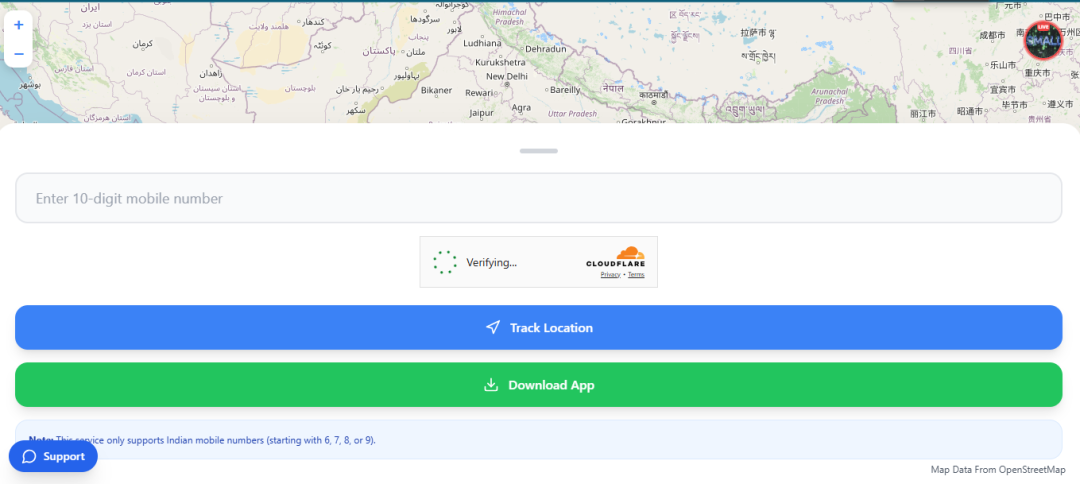
Ever wanted to track someone’s phone number to find out their location? Proxyearth.org claims you can do just that — but before you jump in, let’s see if it’s as powerful or as safe as it sounds.
In a Nutshell
• Proxyearth.org was registered on October 17, 2025 — it’s brand new and untested.
• It claims to track mobile numbers live, which is likely false or legally grey.
• The site may log user data like IP addresses, timestamps, and entered numbers.
• Free phone trackers often harvest user data or push malware.
• Tracking someone without permission is illegal.
• Reviews say it doesn’t work or only works in India.
• Overall, Proxyearth.org seems too risky to use.
Newly Registered Website
Proxyearth.org was registered on October 17, 2025, according to Whois and ScamAdviser.
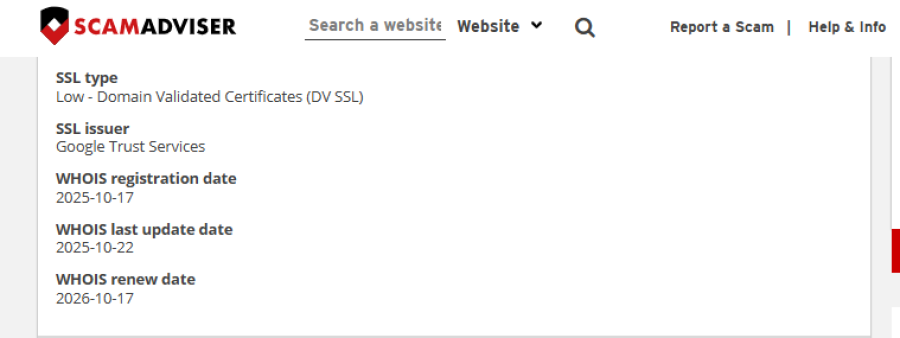
That’s very recent, which means there’s no proven reputation or security history. Many scam websites appear, gather data, and disappear within months, leaving users exposed.
Can Proxyearth.org Actually Track Numbers?
Proxyearth.org claims it can provide the live location of a mobile number without operator permission. But no legitimate website can do that without legal access or carrier authorization. Any site that promises real-time tracking without consent is either misleading or operating in a legal grey zone.
Data Privacy Concerns
Using such a site may require entering a phone number, which could be logged along with your IP address and timestamp. This raises serious privacy concerns, as you can’t know how that information will be stored or used. Your data could end up being shared, sold, or misused.
Phishing and Identity Theft Concern
Free phone tracking sites often aren’t really free. They may be designed to collect user information, distribute malware, or push fake subscription offers. Proxyearth.org shows the same warning signs. Visiting or using it could expose you to phishing attempts or identity theft.
Dealing With Consent Issues
Tracking someone’s phone number without their authorization is illegal in most countries. Even if a site like Proxyearth.org worked, using it could put you on the wrong side of the law. Always seek consent before tracking, or use legitimate services such as Google’s Find My Device or Apple’s Find My.
Customer Reviews
On Instagram, users have shared mixed experiences. Some say the website doesn’t work at all, while others claim it only works in India. No reputable tech reviewer or cybersecurity expert has verified its effectiveness, which raises more doubts about its legitimacy.
Bottom Line: Is Proxyearth.org Safe?
Proxyearth.org comes off as risky. It's a newly registered website with questionable privacy protection and mixed reviews. It could log user data, expose you to scams, or even lead to legal trouble. It’s best to exercise caution before entering your information or trying to track anyone through it.
If you want to stay safe online, use trusted tools and always verify websites before sharing personal details.
FAQs
Q: Is Proxyearth.org a legitimate website?
A: It’s newly registered and lacks credibility — proceed with extreme caution.
Q: Can I really track a phone with Proxyearth.org?
A: Highly unlikely. No public website can track a phone in real-time without carrier or user permission.
Q: Is using Proxyearth.org illegal?
A: Using it to track someone without consent can be illegal, depending on your country’s laws.
Q: Is Proxyearth.org safe to visit?
A: It raises privacy and phishing concerns. Avoid sharing any personal data.
Q: What should I use instead?
A: Try Google Find My Device, Apple Find My, or your carrier’s official tools for safe and legal phone tracking.
Download the ScamAdviser app today to check if a website is legit before you click. Stay informed, stay secure, and don’t let scammers track you instead.
This article has been written by a scam fighter volunteer. If you believe the article above contains inaccuracies or needs to include relevant information, please contact ScamAdviser.com using this form.
Report a Scam!

Have you fallen for a hoax, bought a fake product? Report the site and warn others!
Scam Categories
Help & Info
Top Safety Picks
Your Go-To Tools for Online Safety
- ScamAdviser App - iOS : Your personal scam detector, on the go! Check website safety, report scams, and get instant alerts. Available on iOS
- ScamAdviser App - Android : Your personal scam detector, on the go! Check website safety, report scams, and get instant alerts. Available on Android.
- NordVPN : NordVPN keeps your connection private and secure whether you are at home, traveling, or streaming from another country. It protects your data, blocks unwanted ads and trackers, and helps you access your paid subscriptions anywhere. Try it Today!
Popular Stories
As the influence of the internet rises, so does the prevalence of online scams. There are fraudsters making all kinds of claims to trap victims online - from fake investment opportunities to online stores - and the internet allows them to operate from any part of the world with anonymity. The ability to spot online scams is an important skill to have as the virtual world is increasingly becoming a part of every facet of our lives. The below tips will help you identify the signs which can indicate that a website could be a scam. Common Sense: Too Good To Be True When looking for goods online, a great deal can be very enticing. A Gucci bag or a new iPhone for half the price? Who wouldn’t want to grab such a deal? Scammers know this too and try to take advantage of the fact. If an online deal looks too good to be true, think twice and double-check things. The easiest way to do this is to simply check out the same product at competing websites (that you trust). If the difference in prices is huge, it might be better to double-check the rest of the website. Check Out the Social Media Links Social media is a core part of ecommerce businesses these days and consumers often expect online shops to have a social media presence. Scammers know this and often insert logos of social media sites on their websites. Scratching beneath the surface often reveals this fu
Disclaimer: This article was originally published in 2018 and has been updated in October 2025 to reflect more current information, resources, and advice. Scams and recovery options continue to evolve, so always double-check with your bank, payment provider, or local consumer protection authority for the latest guidance. So the worst has come to pass - you realise you parted with your money too fast, and the site you used was a scam - what now? Well first of all, don’t despair!! If you think you have been scammed, the first port of call when having an issue is to simply ask for a refund. This is the first and easiest step to determine whether you are dealing with a genuine company or scammers. Sadly, getting your money back from a scammer is not as simple as just asking. If you are indeed dealing with scammers, the procedure (and chance) of getting your money back varies depending on the payment method you used. PayPal Debit card/Credit card Bank transfer Wire transfer Google Pay Bitcoin PayPal Good news: PayPal gives you strong protection. You can file a dispute within 180 days of your purchase. You can get a refund if: Your order never arrives, and the seller cannot provide proof of delivery. The scammer sends you something completely different (e.g., a controller instead of a PlayStation). The product condition was misrepresented (sold as new but arrives used). The item is missing undisclosed parts. The item is counterfeit. Start your claim directly through Pay